Many people quietly search for answers about living paycheck to paycheck in America because it feels personal. It can feel frustrating. It can feel exhausting. And for many households, it feels constant.
Across the United States, a common situation is that income comes in — and within days or weeks, most of it is already committed to rent, groceries, utilities, insurance, gas, and debt payments. When little or nothing remains before the next paycheck, that cycle defines living paycheck to paycheck in America.
This article explores what that phrase truly means, why it happens, how everyday costs contribute, and how financial awareness can reduce stress — without offering professional advice.
What Does Living Paycheck to Paycheck in America Really Mean?
Living paycheck to paycheck in America generally describes a financial pattern where:
- Most or all income is used to cover monthly bills
- Little money remains after expenses
- Savings are minimal or inconsistent
- Unexpected expenses cause financial strain
It does not always mean someone has low income.
In fact, many households with moderate or even high incomes report feeling this way. The key issue is not only income level — it’s the relationship between income and expenses.
A Common Household Example
Let’s look at a realistic monthly example:
Income (after taxes): $4,200
Expenses:
- Rent: $1,600
- Utilities: $200
- Groceries: $500
- Car payment: $400
- Car insurance: $180
- Gas: $150
- Health insurance: $250
- Phone & internet: $150
- Student loan: $300
- Credit card minimum: $150
- Subscriptions: $70
Total expenses: $3,950
Remaining: $250
On paper, there is a surplus. But if:
- Groceries increase by $80
- A tire needs replacing for $600
- A medical copay costs $120
That small buffer disappears quickly.
This is how many households experience living paycheck to paycheck in America — not because they are irresponsible, but because margins are thin.

Rising Cost of Living
One major factor behind living paycheck to paycheck in America is inflation.
Over the past several years, Americans have noticed increases in:
- Rent
- Food prices
- Car insurance premiums
- Gas prices
- Healthcare costs
When monthly expenses gradually rise but income does not increase at the same pace, financial pressure builds.
Even a $200 monthly increase equals $2,400 per year.
Housing Pressure
Housing remains the largest expense for most households.
In many cities:
- Rent consumes 30–50% of income
- Homeownership includes mortgage, property tax, maintenance, insurance
When housing costs increase faster than wages, households feel squeezed.
For many Americans, living paycheck to paycheck in America begins with housing burden.
Debt and Monthly Cash Flow
Debt also plays a major role.
Common obligations include:
- Student loans
- Auto loans
- Credit card balances
- Personal loans
Even minimum payments reduce monthly flexibility.
For example:
- $400 car payment
- $300 student loan
- $200 credit card
That’s $900 per month before groceries or utilities.
Debt reduces breathing room, increasing vulnerability to emergencies.
Income Variability
Not all income is stable.
Many Americans work:
- Hourly jobs with fluctuating shifts
- Gig work
- Commission-based roles
- Contract positions
When income varies month to month, budgeting becomes unpredictable.
A strong month may feel stable. A slower month may create stress.
This unpredictability is a common reason behind living paycheck to paycheck in America.

The Emotional Impact
Financial strain affects more than bank accounts.
Many households describe:
- Anxiety before bills are due
- Stress during unexpected expenses
- Avoidance of checking bank balances
- Feeling stuck
Financial awareness can reduce fear because clarity replaces uncertainty.
Understanding patterns creates emotional relief — even before income changes.
Misconceptions About Living Paycheck to Paycheck
“Only Low-Income Households Experience It”
Not true. High earners with high expenses may still experience tight cash flow.
“It Means You’re Bad with Money”
Often, it reflects structural cost pressures rather than poor decisions.
“More Income Automatically Fixes It”
Higher income sometimes leads to higher lifestyle costs, keeping margins tight.
Emergency Funds and Paycheck Cycles
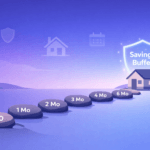
A small emergency fund can reduce the intensity of living paycheck to paycheck in America.
Without savings, even a $400 car repair may require credit card use.
With savings, the same event may not disrupt the entire month.
The absence of a buffer increases financial fragility.
How Subscriptions Quietly Contribute
Streaming services, app subscriptions, memberships — individually small, collectively significant.
Example:
- $15 streaming
- $12 music
- $20 fitness app
- $18 cloud storage
- $25 meal subscription
Total: $90 per month = $1,080 per year.
These charges often go unnoticed but impact monthly cash flow.
Lifestyle Creep
When income increases, spending sometimes increases too.
Examples:
- Upgrading apartments
- Financing newer cars
- Dining out more often
- More frequent travel
This phenomenon contributes to living paycheck to paycheck in America, even among higher earners.
Practical Awareness Shifts
Financial awareness includes:
- Knowing fixed vs. flexible expenses
- Tracking recurring charges
- Understanding debt interest
- Recognizing seasonal spending
Awareness does not require perfection. It requires clarity.
Comparing Without Shame
Social media often shows:
- Luxury vacations
- New cars
- Expensive homes
But it rarely shows:
- Credit balances
- Financial stress
- Borrowed funds
Comparison increases emotional strain during living paycheck to paycheck in America.
Financial awareness grows when comparison decreases.
Gradual Improvement Over Time
For many households, stability improves slowly:
- Debt balances shrink
- Income rises gradually
- Emergency funds grow incrementally
Financial progress is rarely dramatic. It is usually steady.
Understanding this reduces unrealistic expectations.
Read More: Average Monthly Expenses for a Single Person in the US: A Realistic Cost Breakdown
Final Thoughts on Living Paycheck to Paycheck in America
Living paycheck to paycheck in America is a widespread experience across income levels and regions.
It is influenced by:
- Housing costs
- Debt payments
- Inflation
- Income variability
- Lifestyle patterns
Financial awareness brings clarity to these patterns. And clarity often reduces stress — even before financial circumstances change.
Frequently Asked Questions (FAQs)
1. Is living paycheck to paycheck common in America?
Yes, many households across various income levels report experiencing tight monthly cash flow.
2. Does living paycheck to paycheck mean someone has no savings?
Often it means savings are limited or inconsistent, but it does not always mean zero savings.
3. Can high-income earners live paycheck to paycheck?
Yes. High expenses and debt obligations can create the same pattern regardless of income level.
4. How does inflation affect paycheck cycles?
Rising costs reduce disposable income, tightening monthly margins.
5. Is credit card reliance a sign of paycheck stress?
Frequent reliance on credit for basic expenses may indicate limited financial cushion.
6. Does reducing small expenses really make a difference?
Small recurring costs accumulate over time and can impact monthly cash flow awareness.
Disclaimer:
This article is for financial awareness and educational purposes only. It does not provide financial, legal, or professional advice.
About the Author