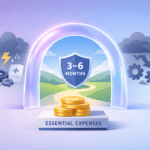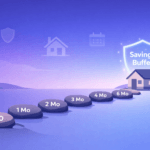
Emergency Fund Size: Calculate by Monthly Expenses. Emergency savings, also referred to as an expenses buffer, is your financial airbag. While you never want to dip into it, when an emergency occurs (such as needing a tire change, the arrival of a medical bill, or losing your job), it keeps you from careening into debt. But what is meant by ‘enough’? It’s all about one important number: your necessary expenses.
The 3-6 Month Rule: A Beginning Point—not a ‘One-Size-Fits
Financiers would advise saving for essential expenditures ranging from 3 to 6 months. But what would one consider essential?
Essential expenses consist only of that which is necessary for survival or maintaining stability:
• Rent or mortgage
• Utilities (electric, water, basic internet)
• Groceries
• Minimum payments on debt
• Transportation (car payment, gasoline, or bus fare)
• Basic Insurance (health, auto, renters/Home)
Don’t count money spent on:
Streaming services, dining out, clothing, vacations, or hobbies. It is NOT intended to be spent on lifestyle-related items. It is used to survive.
???? Example: Assuming you have essential expenses of $2,500 each month, a good safety net would cost between $7,500 and $15,000 for 3-6 months.
Who Needs 3 Months vs. 6+ Months?
3 months may be enough if you:
• Have stable, salaried jobs
• Live in a dual-income household
• Retain health insurance benefits and leave benefits
For: 6+ months if you:
• Freelance work, commission, and gig jobs
• Are the sole earner in your household
• Manage chronic health conditions
• Own a home (with higher maintenance risk)
• Reside in a High Cost or Volatile Economic Area
Freelancers and contract workers may be eligible for coverage of 6-12 months because of irregular incomes and the absence of protective measures by employers.
Calculate Your True Essential Expenses
Get out your last three statements from the bank or credit card company and put each expense in a category. Then you add the necessary expenses only. Calculate the average. That is your baseline expense.
| Expense Category | Monthly Amount |
|---|---|
| Rent | $1,200 |
| Utilities | $150 |
| Groceries | $400 |
| Car Payment + Gas | $300 |
| Health Insurance | $200 |
| Minimum Debt Payment | $250 |
| Total Essentials | $2,500 |
→ 3-month buffer = $7,500
→ 6-month buffer = $15,000
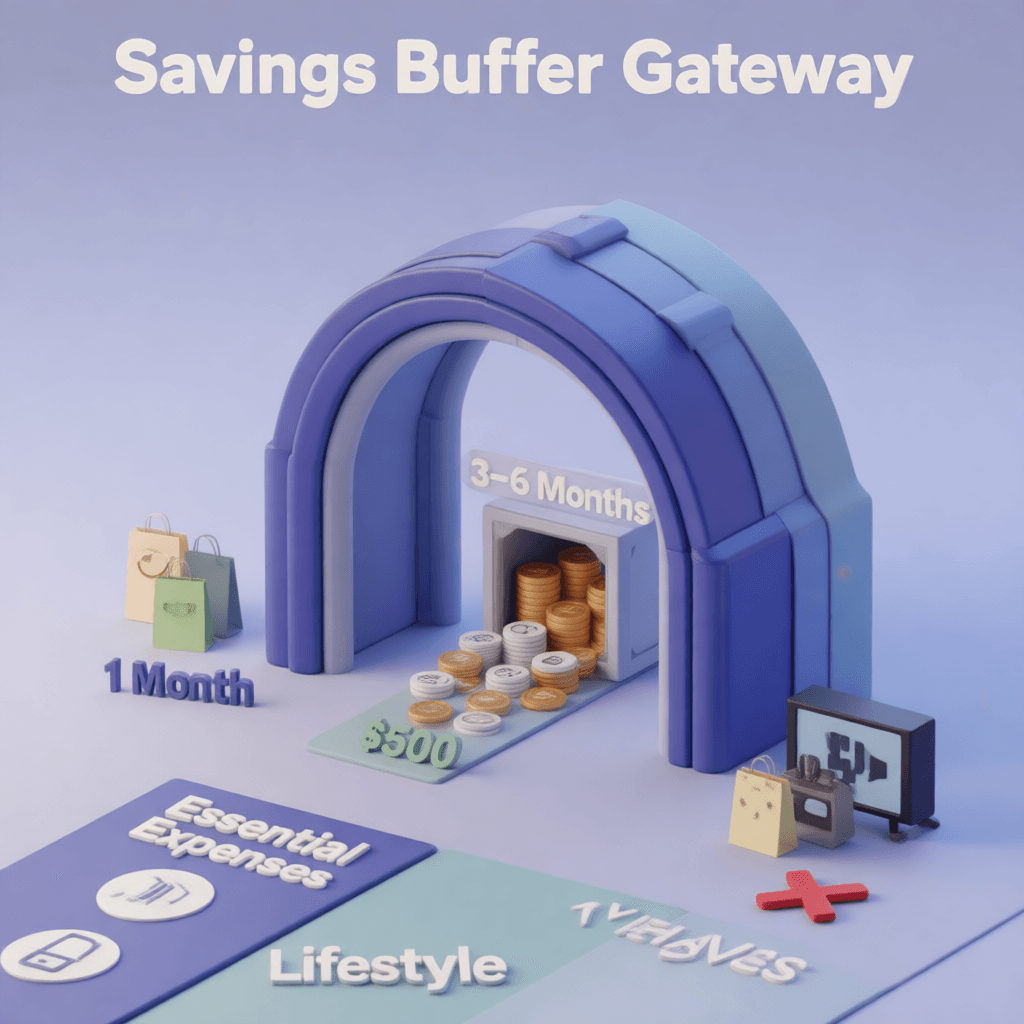
Smart Money Gate Strategy: Leverage Your “Savings Buffer Gateway”
The Smart Money Gate strategy is
At Smart Money Gate, this process is viewed as walking through a Financial Awareness Gateway—not with the intention of offering advice, but with the intention of providing clarity. Consider the questions:
“How many months of my present savings would be able to fund my expenses if I stopped working tomorrow?”
where:
Savings Buffer (months) = Emergency Savings / Essential Monthly Expenses
- Result < 1 month? → High risk. Strategies: Building a starter fund of $500 to $1,000.
- 1-3 months? → “Progressing well,” but do not
- 3-6 months? → You have attained baseline resilience.
- 6+ Months? → You’re very well-equipped for income disruptions.
Avoid These Common Pitfalls
❌ Using total income instead of essential expenses → Overestimates need
Incorrect:
❌ Storing the fund in retirement accounts → Penalties + market risk
❌ Hocking it for “wants” ⇨ Erodes your safety net
❌ Setting it and forgetting it → Life doesn’t stay the same, so your safety margin shouldn’t either
Building Your Buffer with a Small Budget
- Start small with saving $20 per week.
- Automate: Create an automatic transaction from Savings Account to Savings Account
- Special Park it wisely: Save it in a high yield savings account (liquid, FDIC-insured, earns interest).
- Hold off on attacking your debt until you save at least $1,000.
- Mark milestones: $1K → $3K → $6K → Full buffer
Final Thought: It’s About Security, Not Perfection
“Healthy” means not being anchored to the perfect amount for an emergency fund; it means having peace of mind. “If you have enough to cover expenses for 1 to 2 months,” says Hall, “you can avoid a minor issue from morphing into an economic meltdown.” This will help guide the amount for the emergency fund by anchoring on the essential expenses and not on income or lifestyle.
Remember: Your emergency funds are the basis of your finances. Before you invest, buy big things, or chase returns, develop your first.
Disclaimer: The purpose of this piece is for educational purposes only and not for financial, investment, or expert advice. Smart Money Gate gives awareness in Financial Awareness Gateways and not for personal money decisions.
About the Author